
How Property Taxes Are Split When You Sell a Northeast Ohio Home

# How Property Taxes Are Split When You Sell a Northeast Ohio Home
CENTURY 21 HomeStar
By Elliot Stone | The Stone Team
If you’re selling your home in Cuyahoga or Lake County, ask for a property-tax estimate before you count on the money you’ll get at closing. Even if the last bill is paid, the contract may call for a credit to the buyer for part of a tax period that hasn’t been billed yet.
That adjustment is called a proration. I’d ask the closing agent two questions right away. Which dates does this cover, and what tax amount did you start with?

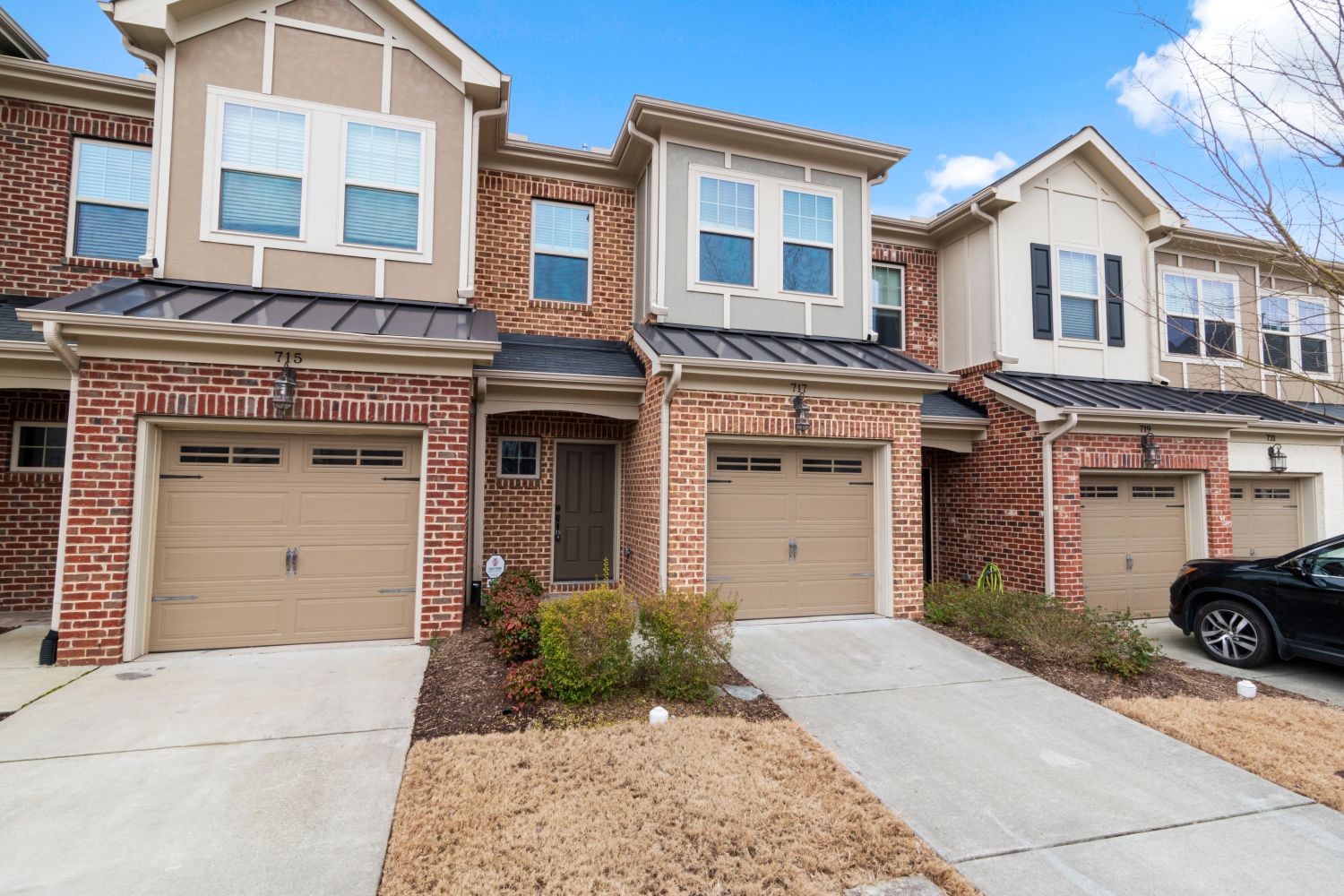
Illustrative stock photo by RDNE Stock project via Pexels.
Check the tax year on the bill
Cuyahoga County bills real estate taxes twice a year, in arrears. Its 2026 collection calendar shows payments for the 2025 tax year. Lake County’s 2026 notices also show collection dates for 2025 real estate taxes. I’d start with your most recent county bill and the parcel payment record so the closing agent can see which period you paid and when. [1, 2]
If you pay property taxes through your mortgage, check the county’s payment record anyway. Your monthly escrow contribution and the tax payments already credited to your parcel answer different questions.
Read the tax paragraph in the purchase agreement
The purchase agreement is where I’d look for the method and the date the parties are using to split taxes. Ask title which bill or estimate it’s using, whether the closing day counts on your side, and how any separate assessments are being handled. If the actual bill for the period is still pending, ask whether the agreement makes the estimate final or calls for another adjustment later. [3]
Also ask how title will handle any outstanding bill for an earlier period. A payment from closing to the county and a buyer credit for a share of a future bill are different things. Have title show the dates and amounts on each line so you can tell what you’re paying for. The CFPB’s Closing Disclosure guidance shows how unpaid prorated taxes and reimbursements for prepaid taxes can appear as separate adjustments in transactions that use that form. [4]
Run the numbers if the closing date moves
Here’s a simple example. Say title uses $3,650 as the annual tax amount and the contract calculation uses a 365-day year. That works out to $10 per day. If 90 unpaid days are allocated to the seller and the buyer will pay that portion on a later bill, the seller’s credit to the buyer would be $900. If the closing moves and title allocates 30 more days to the seller under the same assumptions, the estimate becomes $1,200.
That’s a made-up example. Ask title to run the actual dates and figures and update your seller’s net sheet. If two buyers offer different closing dates, put the updated numbers next to each other when you compare the offers.
Thinking about selling in Northeast Ohio? Email Questions@rocksolidhousing.com with your city and when you’d like to move. We can talk through what belongs on your first net sheet and which numbers to ask title to confirm.
Sources checked November 16, 2026
[1] Cuyahoga County Treasurer, Pay Your Taxes and Tax Collection Calendar. https://www.cuyahogacounty.gov/treasury/pay-your-taxes and https://www.cuyahogacounty.gov/treasury/pay-your-taxes/tax-collection-calendar
[2] Lake County Treasurer, Official Property Tax Notices. https://www.lakecountyohio.gov/treasurer/real-estate-taxes-due/
[3] Ohio State Bar Association, Introduction to Real Estate Practice, real estate tax proration and post-closing adjustment discussion. https://www.ohiobar.org/globalassets/course-materials/2021/live-cle-books/21-131-introduction-to-real-estate-practice.pdf
[4] CFPB Regulation Z §1026.38(j)(1), (j)(2), and (k)(2), Closing Disclosure treatment of prepaid/unpaid tax and assessment adjustments. https://www.consumerfinance.gov/rules-policy/regulations/1026/2026-04-08/38/

Comments