
Your Home Appraised Below the Sale Price. What Can You Do?

# Your Home Appraised Below the Sale Price. What Can You Do?
CENTURY 21 HomeStar
By Elliot Stone | The Stone Team
If your Northeast Ohio home appraises below the price in your contract, I’d check two things before offering to cut the price. What does your contract say about a low appraisal, and how much would the buyer actually need to bring to keep the sale together?
Those are separate questions. The difference between the contract price and the appraised value is easy to calculate. The change in the buyer’s cash depends on how the lender structures the loan. [1, 2]

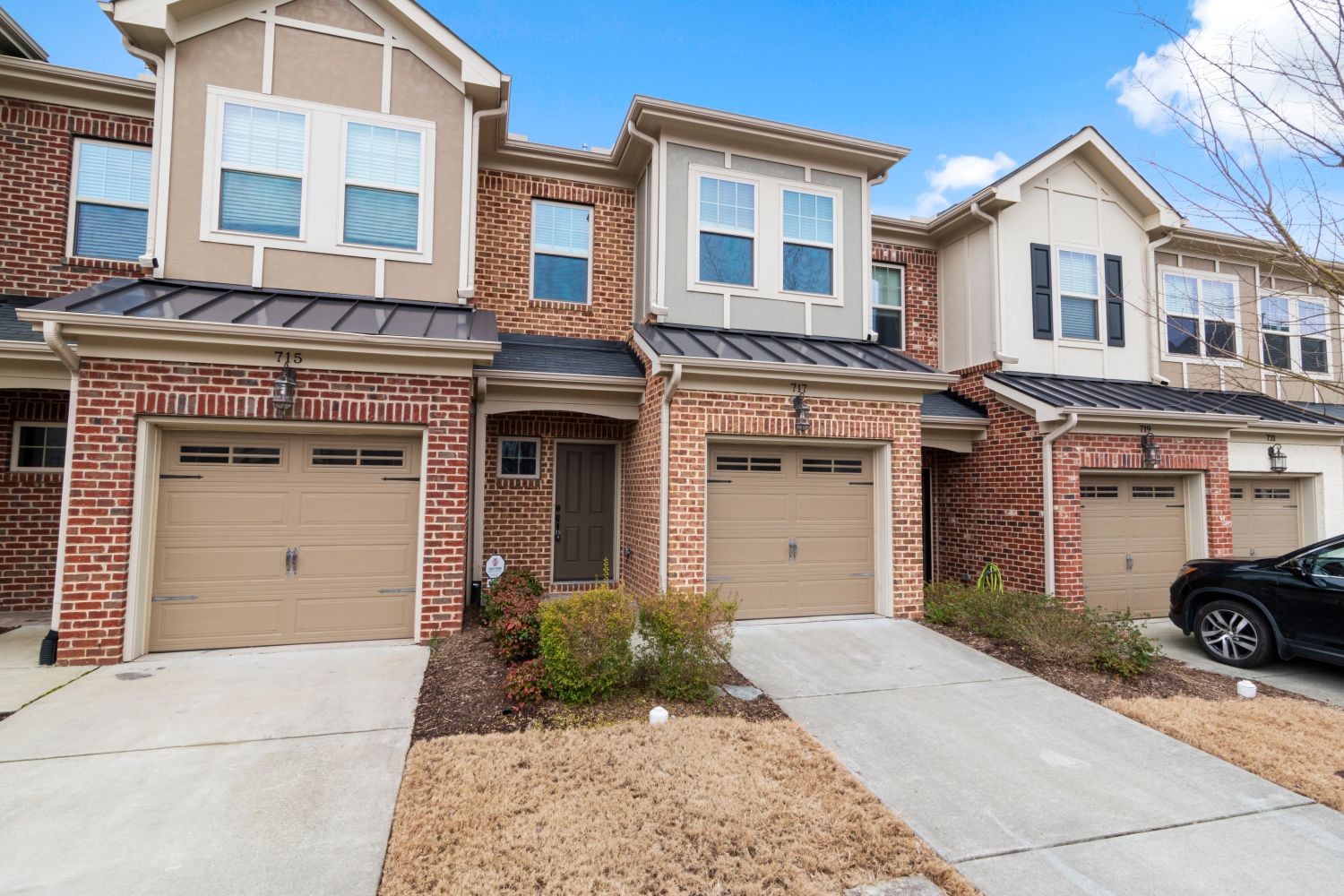
Illustrative photo by RDNE Stock project via Pexels.
Check the contract and the deadline first
Ask your agent to pull the appraisal and financing terms, plus any addendum that says what the buyer agreed to do if the value came in low. Look for a dollar cap, the deadline for written notice, and what the agreement says each side can do if there’s no deal on price. The language in the signed contract matters, including whether a contingency gives the buyer a way to cancel. [1]
If somebody says, “They’re covering the gap,” ask to see the signed wording. A promise to cover up to a set amount may leave some of the gap open. If you’re still comparing offers, this is worth asking before you sign. Here’s how I’d compare the written terms side by side.
Ask how the new value affects the loan
Say you’re under contract at $300,000 and the appraisal comes in at $285,000. The gap is $15,000. In a simplified example where the lender will lend 80% of the lower of the sale price or appraised value, the loan goes from $240,000 to $228,000. If the price stays at $300,000, the buyer’s cash toward the price goes from $60,000 to $72,000. That’s $12,000 more, before closing costs. [2]
Those are made-up numbers. Ask the buyer’s agent to have the buyer confirm the revised terms and cash needed with their lender. You need to know what the buyer can commit to and whether the closing date still works.
Check the appraisal for something you can document
If the buyer shares the report, look with your agent for a material factual error or a comparable sale that’s worth bringing to the lender’s attention. If the report has the wrong bedroom count, start with a record that supports the correction. The buyer can ask the lender about its process for reviewing the appraisal, sometimes called a reconsideration of value. Ask whether the contract deadlines give you time for that review. If you need more time, see whether both sides will agree to a written extension. [3]
Compare the deal in front of you with going back on the market
The buyer might bring more cash, you might agree to a lower price, or you might meet somewhere in the middle. Run the numbers on your seller’s net sheet before responding. If the sale could fall apart, put a real estimate on how much another month of carrying the house would cost and how that would affect your move. If you reach a deal, get the new price and any deadline changes in writing.
Selling in Northeast Ohio and expecting to compare financed offers? Email Questions@rocksolidhousing.com with your city and your timing. We can talk through which appraisal terms to look at before you sign.
Sources checked November 14, 2026
[1] Consumer Financial Protection Bureau, My appraisal is less than the sale price. https://www.consumerfinance.gov/ask-cfpb/my-appraisal-is-less-than-the-sale-price-what-does-that-mean-for-me-en-2007/
[2] Fannie Mae Selling Guide B2-1.2-01, Loan-to-Value Ratios, purchase money transactions. https://selling-guide.fanniemae.com/sel/b2-1.2-01/loan-value-ltv-ratios
[3] Fannie Mae Selling Guide B4-1.3-12, Appraisal Quality Matters, borrower-initiated reconsideration of value, and CFPB Regulation Z, Valuation Independence. https://selling-guide.fanniemae.com/sel/b4-1.3-12/appraisal-quality-matters and https://www.consumerfinance.gov/rules-policy/regulations/1026/42/

Comments